California Boogie: Custom Chevy Van By Deez Crew [With Video]
Words Karlee Sangster Photography & Videography Luke Ray
This article first appeared in Fuel Magazine issue 25.
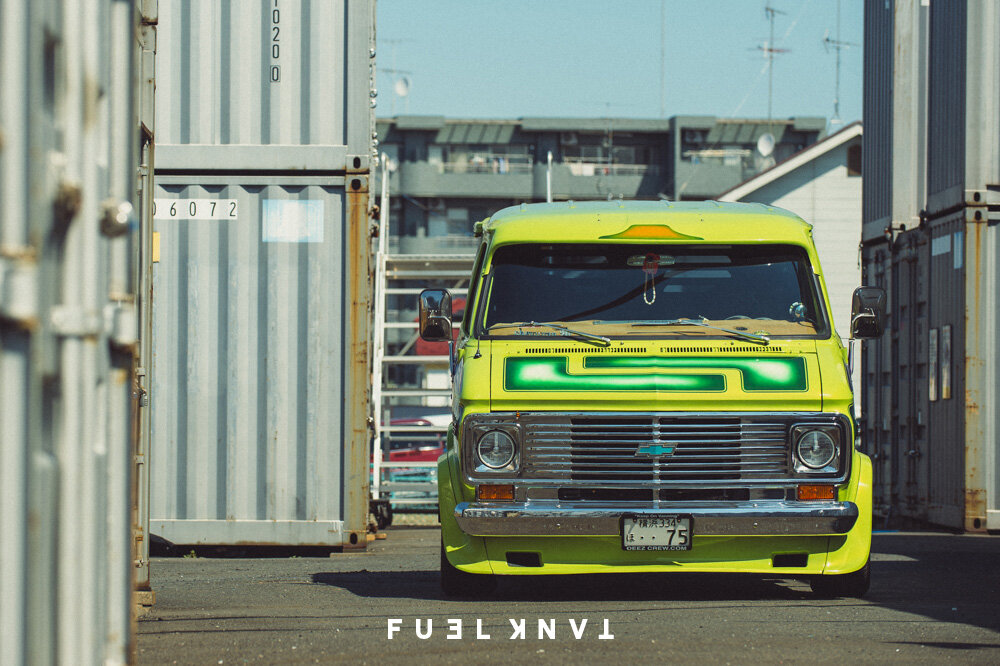
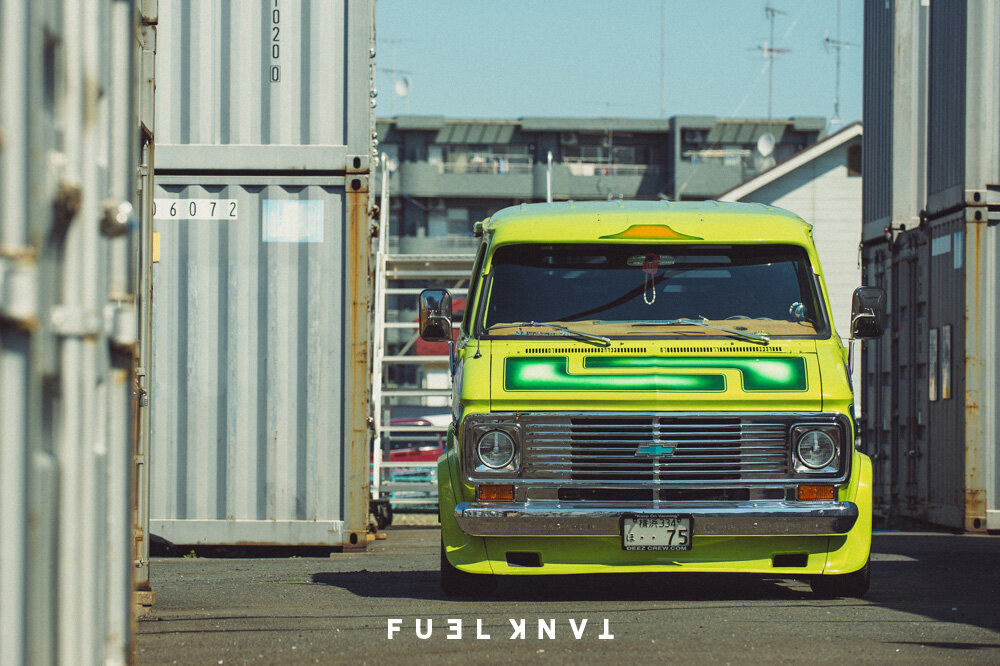
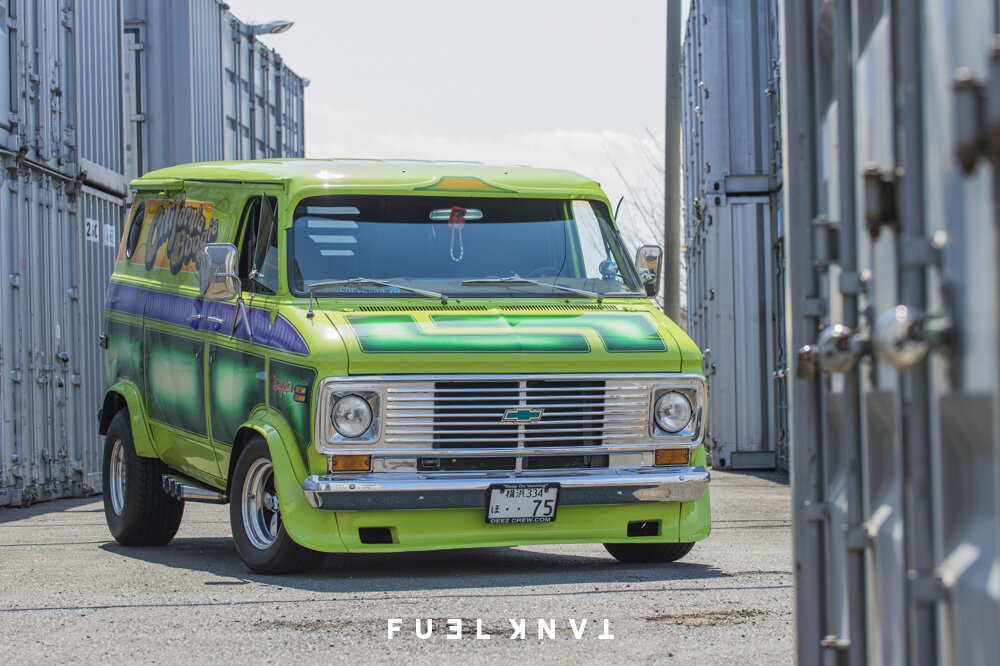
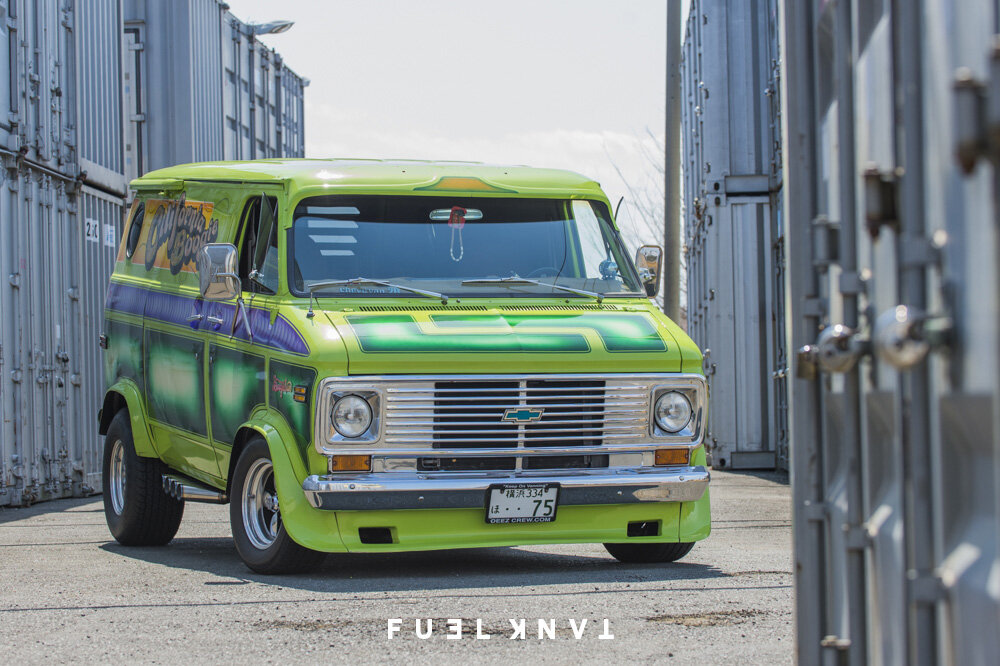
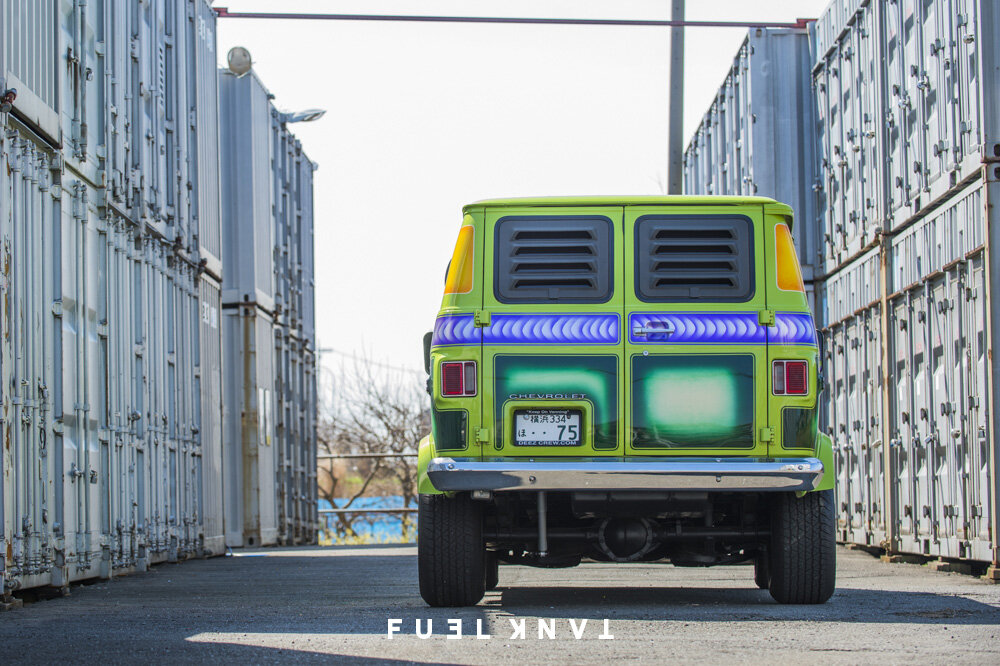
Japan, March 2017. It’s the first shoot of the trip and we get stuck right in with one of the coolest custom vans that you’ll ever see. The guys at Deez Crew in Yokohama are the go-to shop in Japan for custom van projects, so a visit was a high priority. We were spoiled for choice regarding which particular van to hone in on, but we settled for the juicy-fruit-fresh California Boogie.
Forty years ago, vanning was huge. Following in the wake of the hot rod era, vans were the perfect combination of practical, affordable and customisable, and the youth of the ‘70s embraced them wholeheartedly. California was a hotbed of vanning culture, due mostly to its proximity to the ocean: surfboards won’t fit in a ’32 Ford.
Following the outlandish fashions of the time, an explosion of side pipes, murals and velvet interiors hit. “Sedate” was not a part of vanning vocabulary, and it showed. Vans were bought cheaply and modified by their owners, who embraced the DIY spirit and easy-going attitude of the times. Characterised by wild paint jobs, altered stances and groovy lettering, the vans of the ‘70s became cartoonish, very much a marker of place and time. They became known as ‘Boogie Vans’; part muscle car, part party wagon. Vanning was so popular, Time Magazine declared it an “American craze” in 1977. Arguably one of the most influential forces in the scene was the Mooneyes brand, founded in the ‘50s by Dean Moon in California.
Through his drag racing connections, he met a Japanese drag racer by the name of Shige Suganuma, who was in California attending college. The two became friends and on his return to Japan, Sugamura opened up shop, the official dealer of Moon products in Japan. In 1983, Mooneyes Japan started selling the billet aluminium parts to their own underground hot-rodding culture and a link was forged. Japan embraced US car culture with open arms and began producing vehicles that rivalled the Californians in quality and flair.
Sadly, the wild rides gave way to the gaudy excess of the ‘80s and vanning slowly lost popularity. Vanning wasn’t dead though, and recent years have seen a real resurgence of the culture, both in the States and abroad. The movement is championed by magazines like Rolling Heavy, founded by photographer Matt Grayson in 2012 and the in-the-spirit-of-old issues of Easyriders, a lewd motorcycle publication started in June 1971. The appeal of vanning remains the same as it did years ago, says Grayson: “It’s kind of like having a hot rod that you can still do all the same hot-rod stuff to, except it’s a van instead of a car. It’s a blank canvas.”
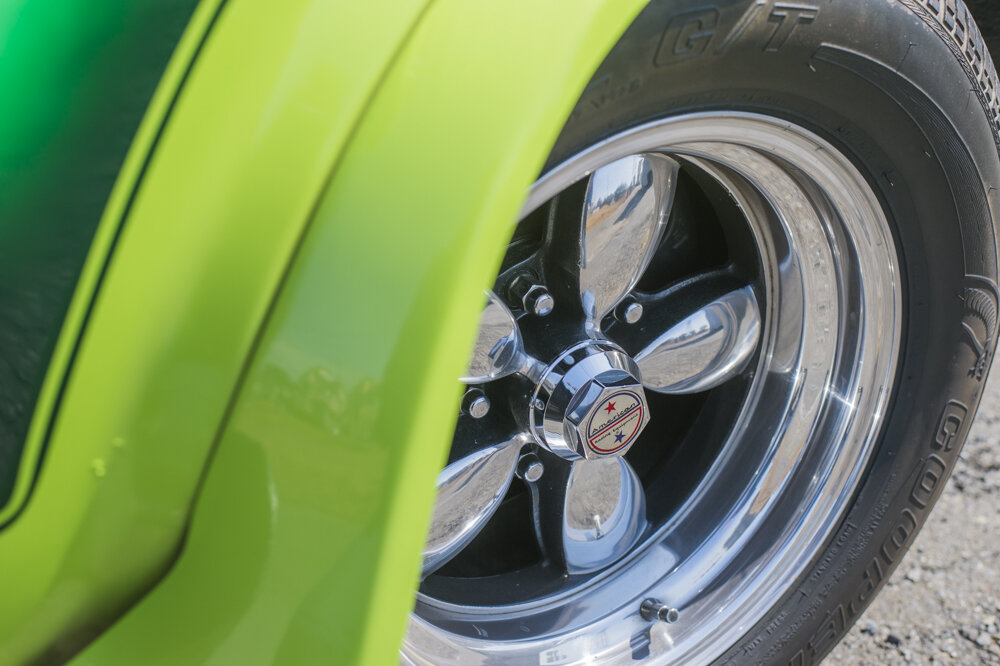
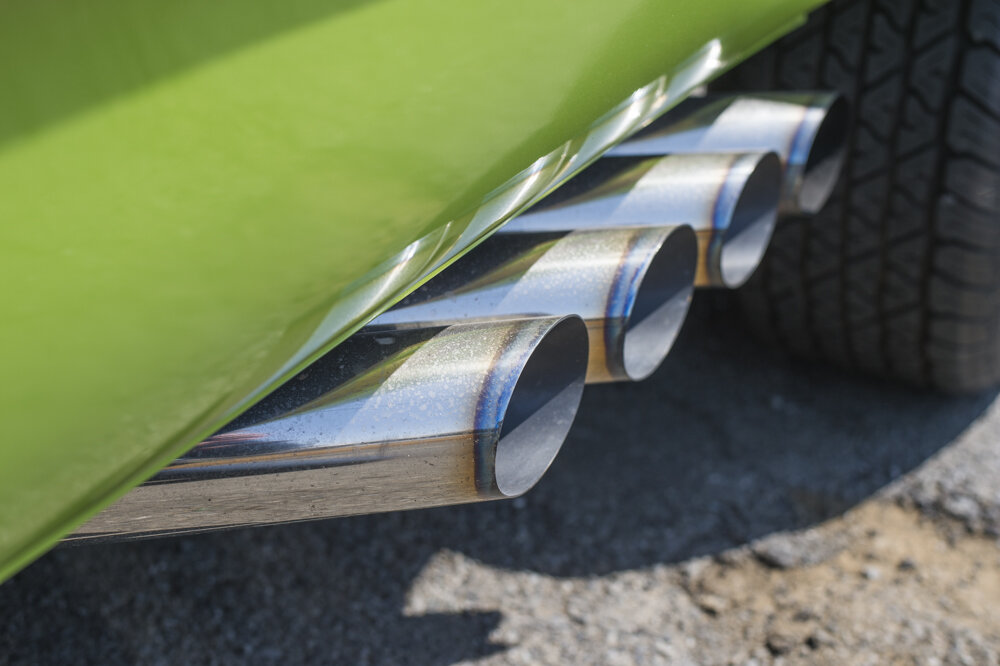
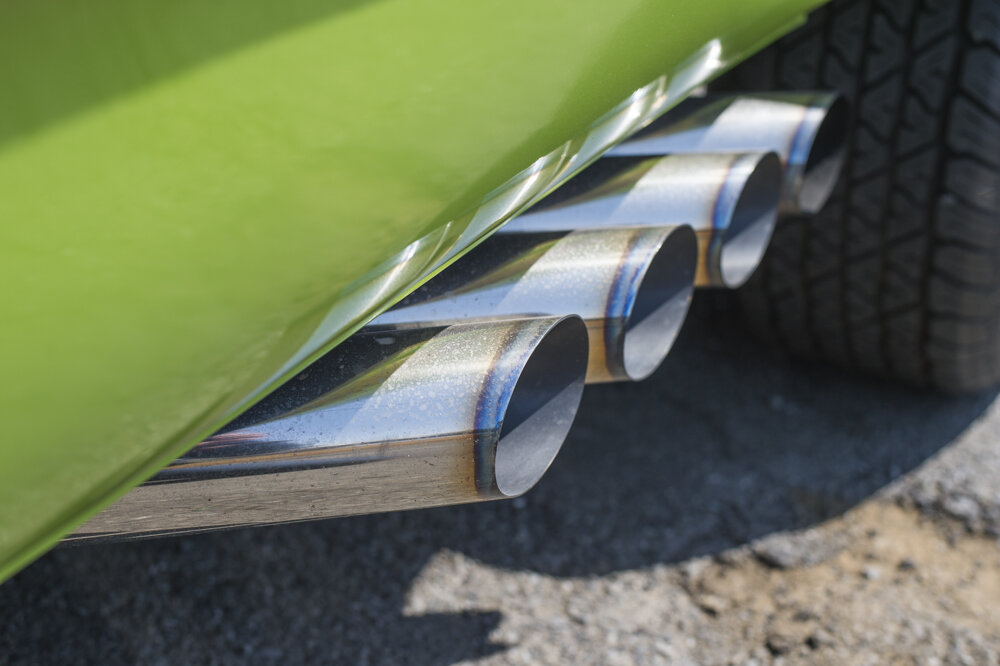
The movement has gained momentum, with more and more 1970s style custom vans popping up at events and at this year’s Mooneyes X-Mas Party there was a separate area dedicated specifically to vintage vans.
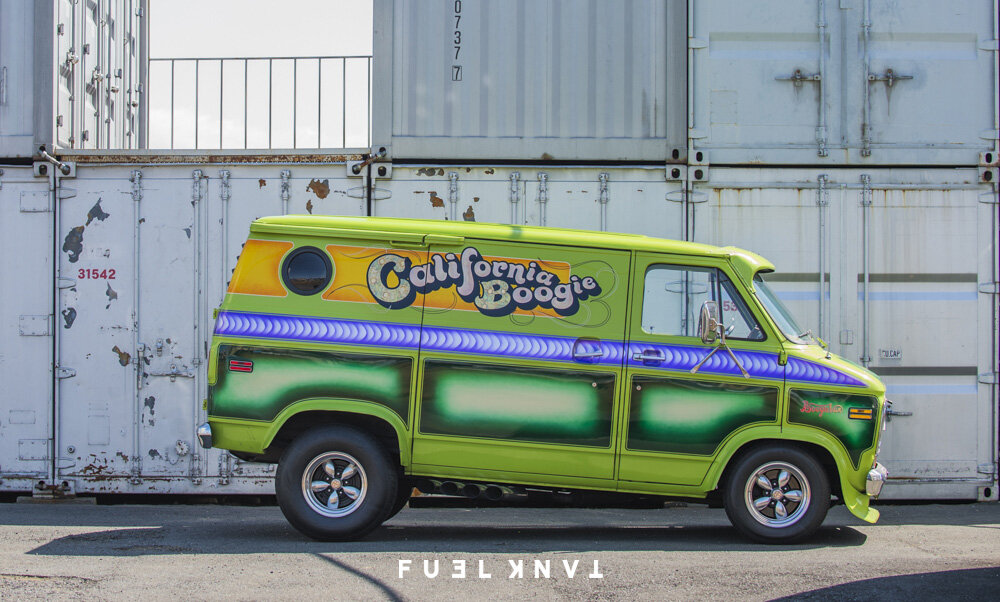
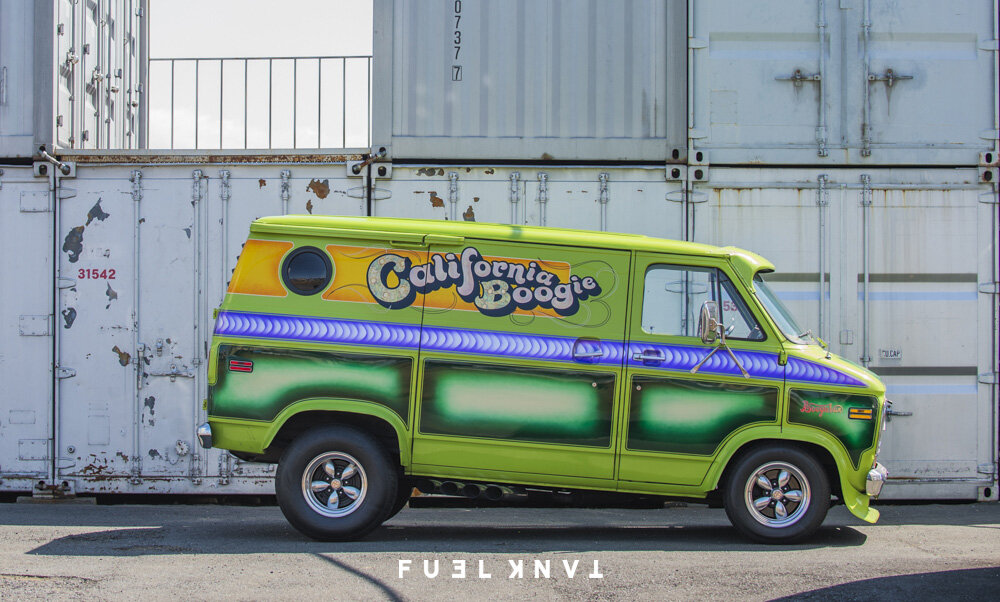
Japanese hot rodders certainly appreciate the vibe, clubs and associations flourish across the country. One example is the DEEZ Crew from Yokohama. We spoke to Norio Nakamura and builder Hiro Tatebayashi about their recent project; a wild Chevy G20 appropriately named California Boogie.
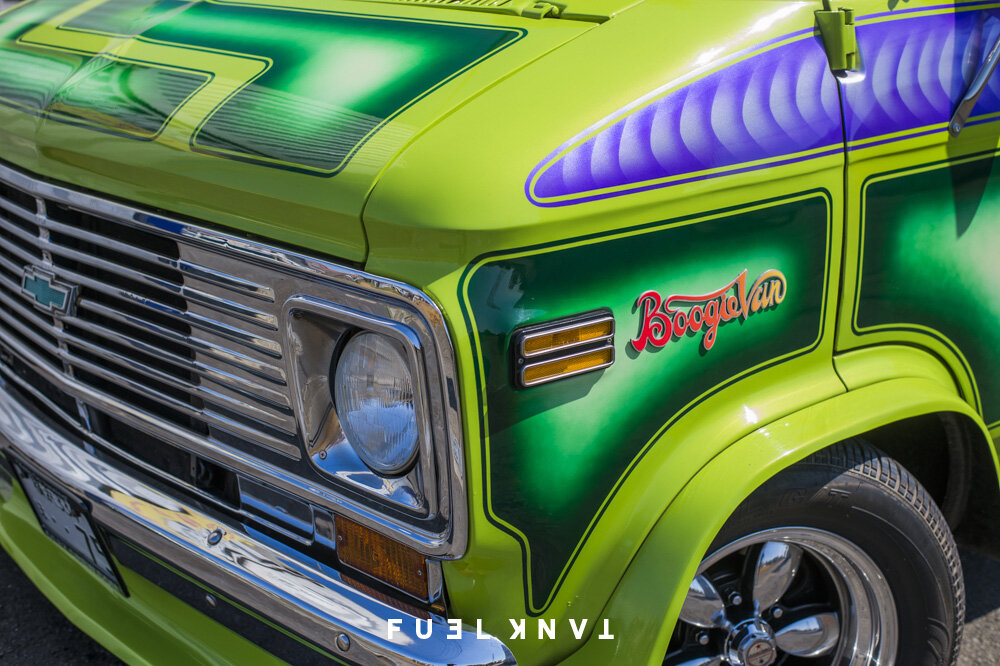
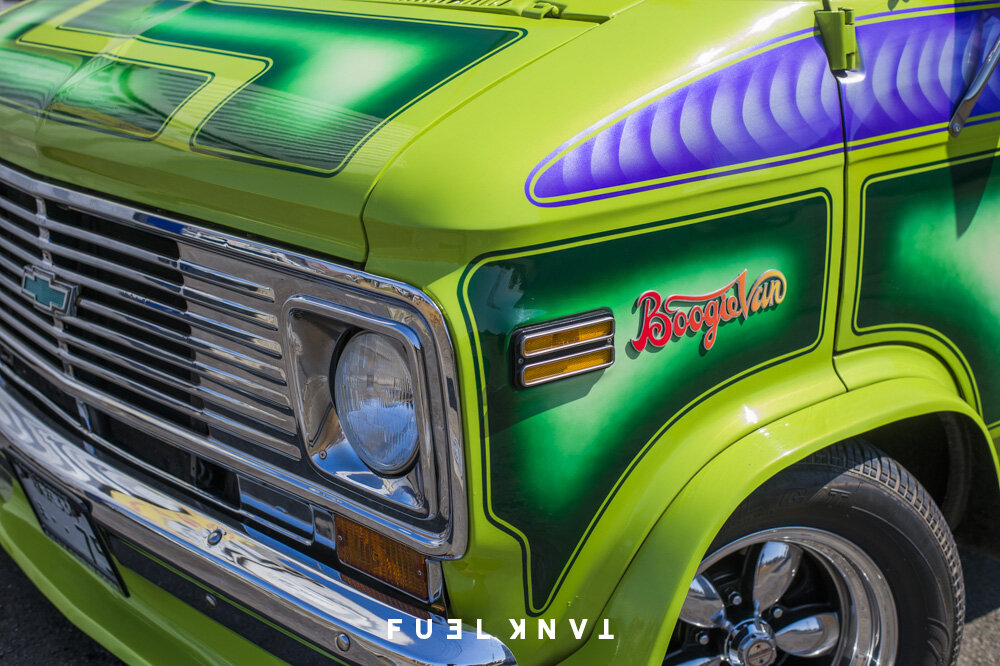
“DEEZ Crew is a workshop in Yokohama, but we also have staff who live in California,” says Norio. “I started building cars and those who liked what I did just gathered. That’s how we came to be the DEEZ crew and now we import vans from the US every month.” The workshop is always busy and Norio reckons they see 400 individual vans per year for custom builds and servicing, with customers coming from all over Japan.
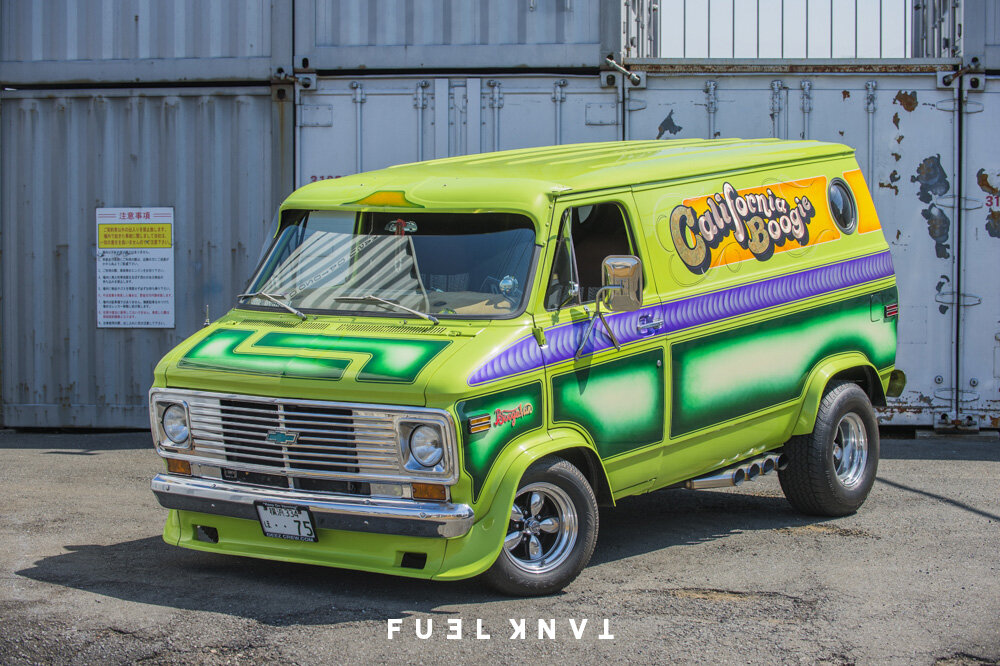
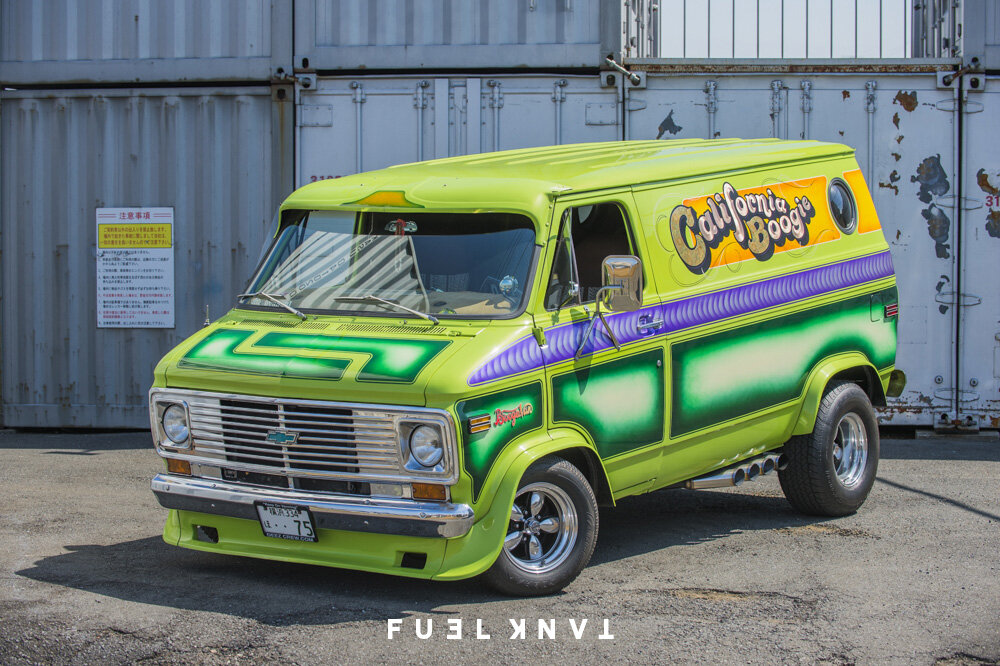
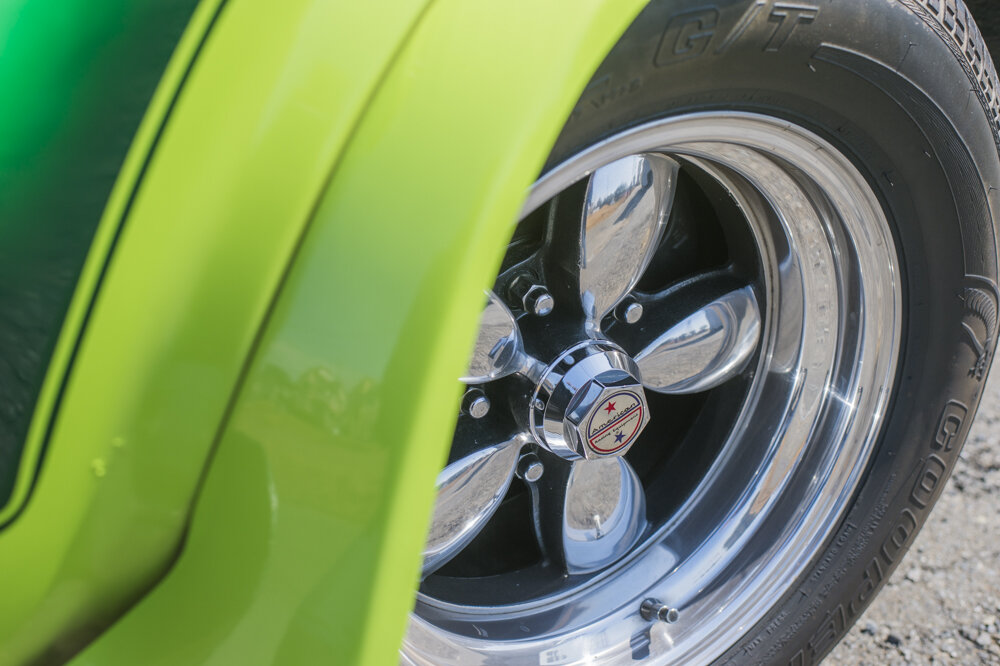
The crew have a solid grounding in both mechanics and bodywork with over twenty years experience. “I had many 1/64 diecast models as a child,” remembers builder Hiro Tatebayashi. “My favourites were ‘70s hot rod vans and one day my uncle gave me a magazine called Custom Car that was full of van pictures; amazing graphic paint, deep rims, wide fenders, fat rubber, surprising exhausts and more… I loved it.”
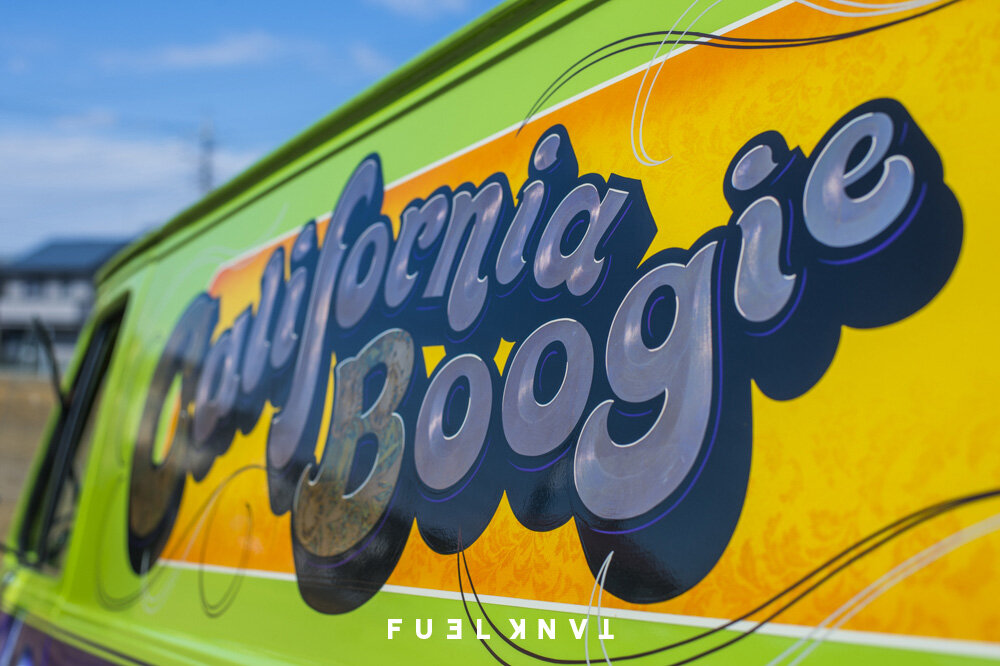
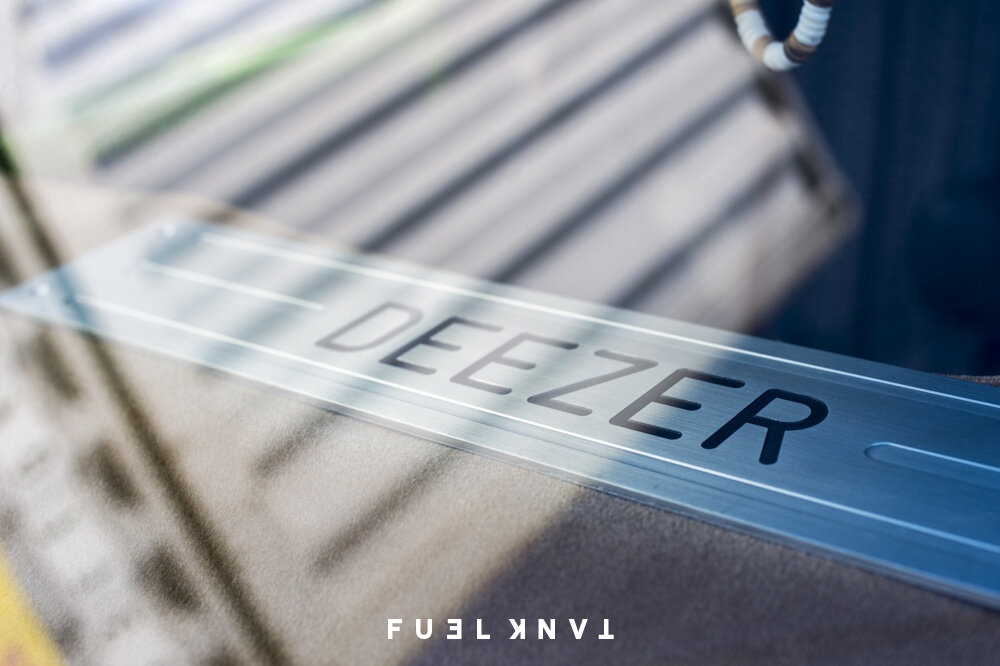
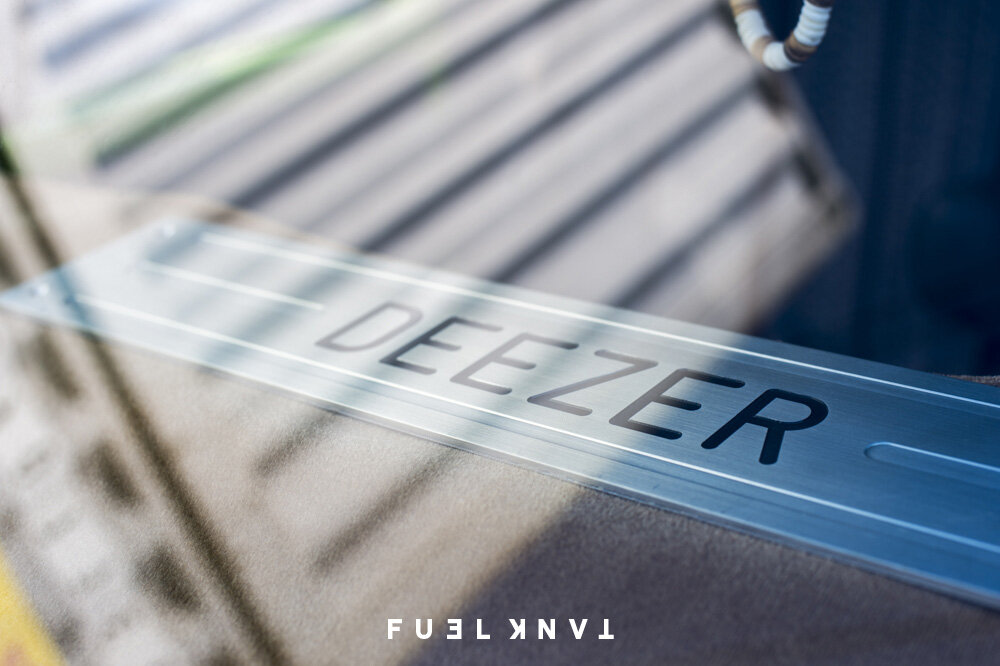
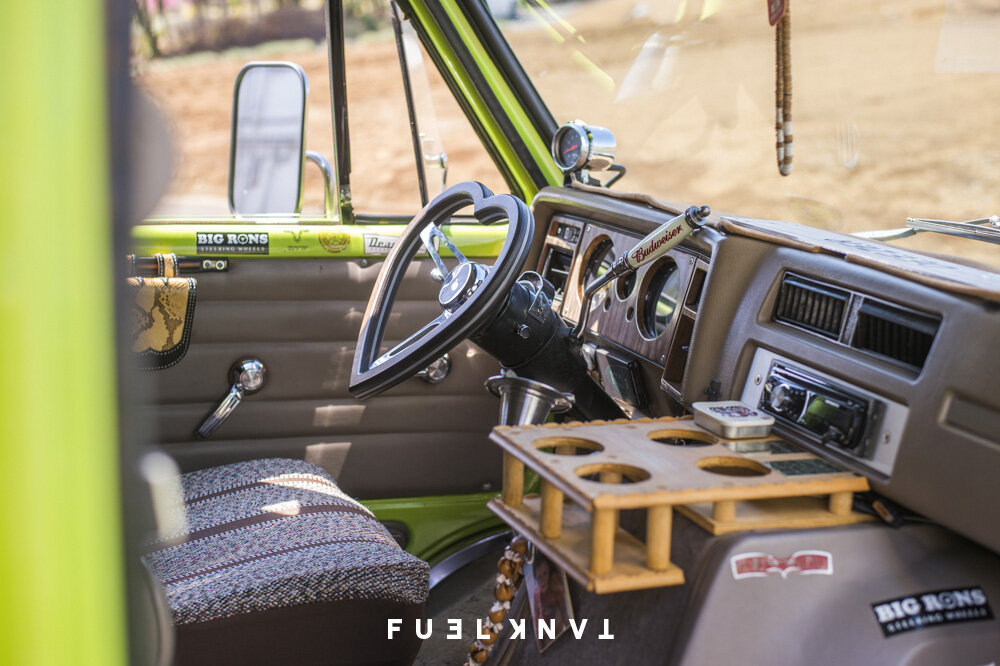
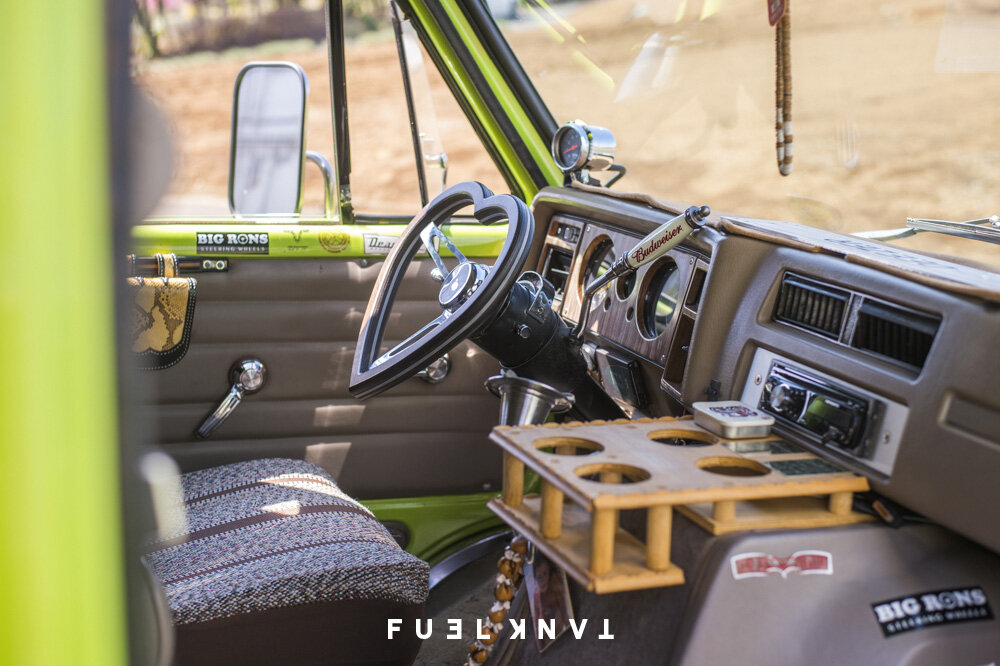
The California Boogie project embodies the Japanese obsession with US vanning culture. “This van was in good condition when we found it,” Norio recalls. “ A straight body, no rust, the dash had no cracks. The motor was so-so, but our plan was a new motor and transmission. No problem.” It’s an understatement. The van sports a new GM motor, B&M transmission, new carburettor, intake manifold and headers and Norio’s favourite, custom zoomie style side pipes. That’s not all. “Yeah, lots of new stuff!” he laughs. “Cooling system, ignition system, brake system, interior all new.”
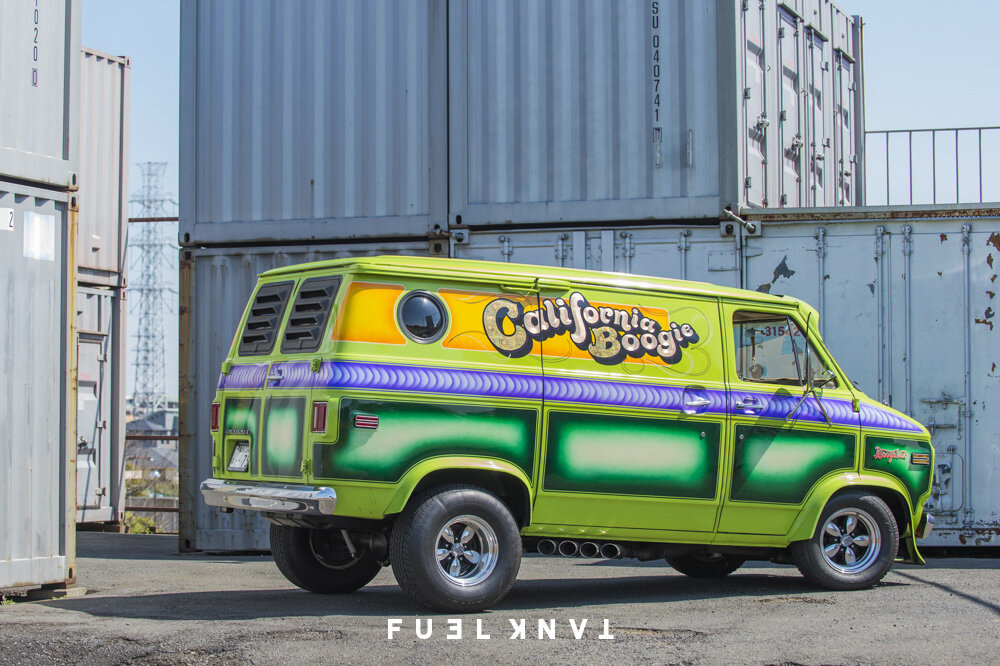
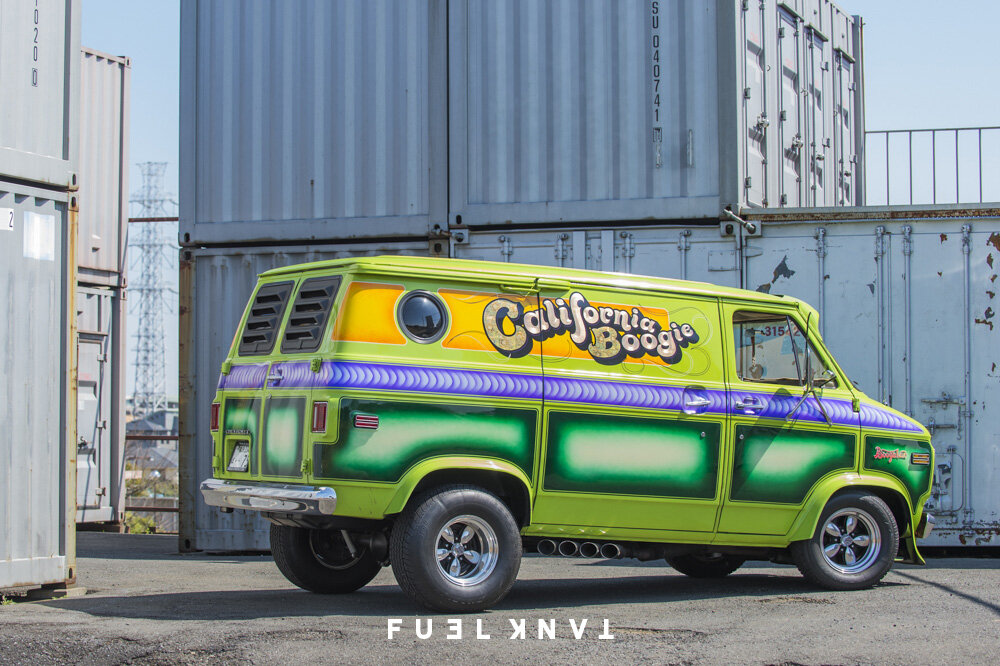
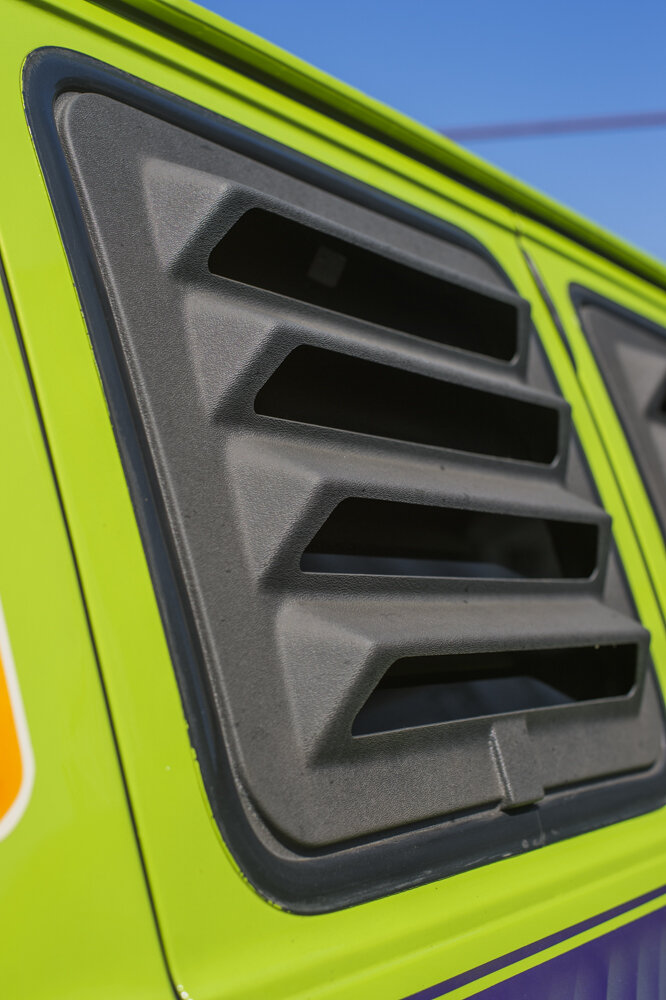
The shop has built up quite the reputation, to the point where many customers simply trust the boys to build whatever they please. “For this van, the customer wanted the ‘70s style, so we went with the ‘70s graphics, roof visor, over fender, eight zoomie style side pipes…the challenge was gathering such items. We did a lot of bodywork, including new paint and graphics,” says Norio. “I feel that we showed almost everything we wanted to.”
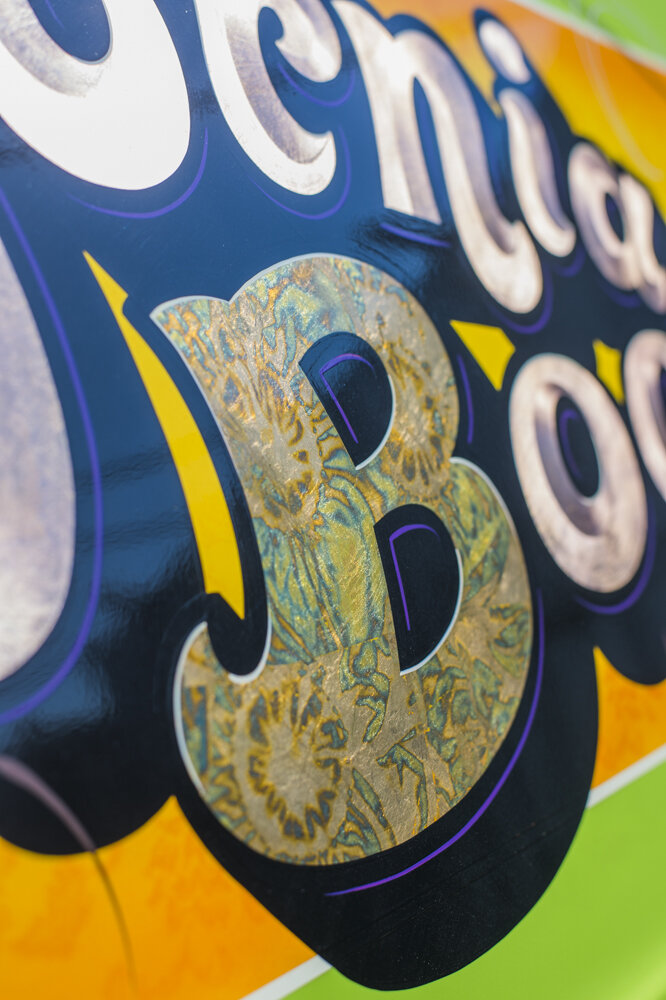
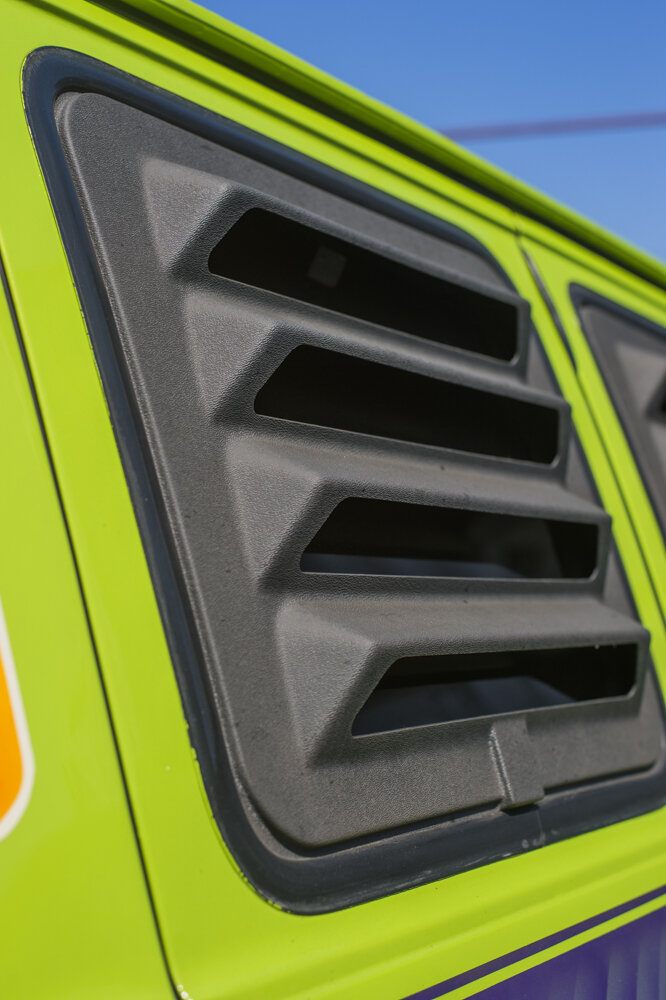
The client was stoked. “He says it was like seeing his childhood dream come true,” smiles Norio, who can’t hide his enthusiasm. With guys like the DEEZ Crew around, vanning in Japan is sure to continue growing. Norio-san sums it up: “It’s the highest form of cool. Building vans like this, in this style that’s not traditional in Japan, I feel such freedom creating. I’ll never get tired of it, I could look at vans all day. It's the coolest.”
Follow Deez Crew: @deezcrew.